






Emerging Trends in Water Analysis: Advancements Shaping Southeast Asia
Water analysis is being revolutionized in Southeast Asia, driven by technology, environmental concerns, and shifting regulatory demands. Firms, green agencies, and laboratories are moving quickly, sensing the critical importance of good and timely water quality testing.
Increasing Demand for Consistent Water Quality Testing
Persistent city expansion, increased industrial processes, and increasing environmental awareness have subsequently emphasized the necessity of accurate water quality analysis. Effective testing confirms conformity with environmental requirements, protects public health, and enables sustainable development.
Principal Advances in Water Analysis
1. Quantum Sensor Technologies
Quantum sensors are revolutionizing water testing with highly sensitive, accurate, and fast detection capacity. Sophisticated quantum sensors identify pollutants such as ammonia and heavy metals at far lower concentrations, enabling proactive water management.
2. AI and Predictive Analytics
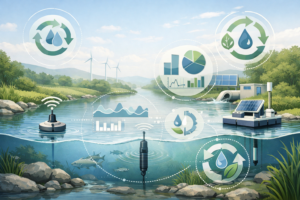
Artificial intelligence (AI) and machine learning technologies are being increasingly integrated into water analysis systems. Such technologies scan large datasets to predict contamination events, optimize utilization of resources, and improve the overall efficiency of water management.
3. Sustainability through Reusable Testing Kits
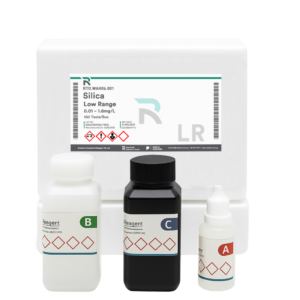
Sustainable and reusable water testing kits are emerging in response to emerging sustainability requirements. Such kits reduce reagent waste, lower operating costs, and enable environmentally friendly approaches.
Regulatory Changes Affecting the Industry
Southeast Asian governments are enhancing regulations on industrial effluent discharge, drinking water standards, and environmental protection. Firms must stay current with evolving regulatory environments to ensure continuity of operations and compliance.
Practical Implications for Stakeholders
Industries: Sophisticated test technology guarantees conformity to regulations, optimizes the environmental footprint, and maximizes operational efficiency.
Environmental Agencies: Leverage real-time monitoring instruments to enhance the ability to respond rapidly to pollution occurrences.
Laboratories: Adopting sustainable and innovative analytical methods improves service provision and positions laboratories at the forefront in the market.
Future Planning
With technological advancement continuing to revolutionize water analysis, Southeast Asian stakeholders must learn to adapt to innovation, sustainability, and regulation. Adapting to these latest trends will enable proactive adaptation for environmental conservation as well as business success.


