





5 Common Mistakes in Handling Chemicals — and How to Avoid Them
Working with chemicals is at the heart of every laboratory, but even experienced professionals can fall into bad habits that compromise safety, accuracy, and results. At Reactivo, we’ve seen how small oversights can lead to big problems — from spoiled experiments to serious health risks.
In this article, we explore five of the most common mistakes in handling chemicals — and practical steps to prevent them.
- Improper Storage of Chemicals
One of the most frequent errors in laboratories is storing chemicals incorrectly. Incompatible substances — such as acids with bases, or flammable solvents near oxidizers — can cause dangerous reactions if stored together. Another issue is leaving containers open, which leads to evaporation, contamination, or spills.
How to avoid it:
- Store chemicals in designated storage areas, such as acid cabinets or flammable safety cabinets.
- Keep containers sealed tightly when not in use.
- Organize shelves with clear separation between chemical families (e.g., acids, bases, solvents, oxidizers).
- Follow Singapore’s chemical safety requirements, including GHS labelling standards and regulations set by NEA and the WSH Council.
Proper storage reduces cross-contamination and ensures a safer laboratory environment.
- Neglecting Personal Protective Equipment (PPE)
Another common mistake is failing to wear the right protective equipment. Lab coats, gloves, goggles, and face shields are designed to protect researchers from splashes, spills, and fumes. Unfortunately, many lab accidents occur because someone skipped PPE for a “quick task.”
How to avoid it:
- Treat every chemical as potentially hazardous.
- Select PPE materials based on chemical compatibility (e.g., nitrile gloves for solvents, neoprene gloves for acids).
- Train laboratory staff to make PPE a non-negotiable step before handling chemicals.
- Keep emergency eyewash stations and spill kits accessible.
Investing in high-quality lab consumables and protective gear significantly lowers the risk of chemical exposure.
- Incorrect Labelling and Documentation
Unlabelled bottles, faded tags, or unclear concentration notes are a recipe for disaster in chemical laboratories. Mislabelling can lead to dangerous misuse or incompatible chemical reactions.
How to avoid it:
- Label every container, including secondary bottles, with the full chemical name, hazard information, concentration, and date of preparation.
- Adopt a consistent chemical labelling system, ideally with colour coding and hazard pictograms in line with GHS standards.
- Maintain a digital or paper inventory of all chemicals in the lab.
- Regularly audit shelves to ensure labels remain legible and accurate.
Accurate labelling and record-keeping support both safety and compliance with laboratory regulations.
- Poor Measuring and Mixing Practices
Accuracy is critical in chemical handling. A common mistake is measuring by estimation (“eyeballing”) or mixing chemicals too quickly without proper technique. This not only produces unreliable results but also risks violent reactions, particularly with strong acids or volatile solvents.
How to avoid it:
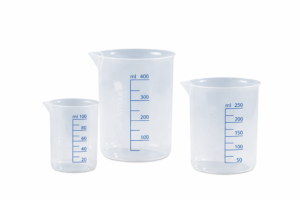
- Always measure with calibrated glassware or precision pipettes.
- Follow standard laboratory protocols, especially when diluting strong acids or bases.
- Remember the golden rule: always add acid to water, never water to acid.
- Avoid rushing; controlled mixing ensures safety and reproducibility.
Accurate measuring and careful mixing protect both laboratory personnel and experimental outcomes.
- Ignoring Chemical Waste Disposal Rules
Improper disposal of chemical waste is a serious issue in many laboratories. Pouring solvents down the drain, mixing incompatible wastes, or using unmarked containers can cause fires, toxic fumes, or environmental contamination.
How to avoid it:
- Segregate chemical waste into categories (e.g., solvents, acids, heavy metals, biological waste).
- Label all waste containers clearly, including hazard information and accumulation start dates.
- Store waste in dedicated, leak-proof containers until disposal.
- Work with certified chemical waste management services that follow environmental regulations.
Safe chemical waste disposal protects laboratory staff, the environment, and the wider community.
Key Takeaways for Laboratory Safety
Chemical handling mistakes are often the result of routine, habit, or oversight — but they can have serious consequences. By avoiding these five common errors — improper storage, neglecting PPE, poor labelling, inaccurate measuring, and unsafe disposal — laboratories can maintain a safer, more efficient working environment.
Good laboratory practices not only protect researchers and technicians but also ensure the reliability of experiments and compliance with international safety standards. With proper training, high-quality lab consumables, and strict safety protocols, chemical handling can be both safe and effective.


