





Chemical safety is a top priority in any laboratory or workplace. To ensure clear communication of hazards, the Globally Harmonised System of Classification and Labelling of Chemicals (GHS) was developed by the United Nations and is now widely adopted across many countries, including here in Singapore.
This system standardises chemical hazard communication so that everyone — from researchers and lab technicians to suppliers and transporters — can quickly understand the risks associated with a substance.
- What is GHS?
- A universal system for classifying and labelling chemicals.
- Provides consistency in labels, hazard symbols, and Safety Data Sheets (SDS).
- Enforced locally under workplace safety regulations and national standards (such as SS 586).
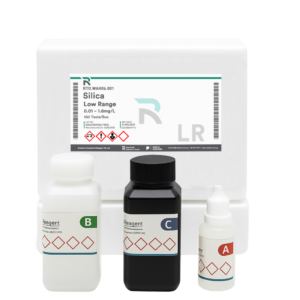
- Key Elements of a GHS Label
Each compliant label typically includes:
- Product Identifier
- Signal Word (Danger or Warning)
- Hazard Statements
- Precautionary Statements
- Pictograms (9 symbols)
- Supplier Information
- The GHS Pictograms Explained
| Code | Hazard Pictogram | Meaning |
| GHS01 |  |
Explosion, fire, blast or projection hazard. |
| GHS02 |  |
Flammable liquids, vapour, solids and gases; including self-heating and self-igniting substances. |
| GHS03 | 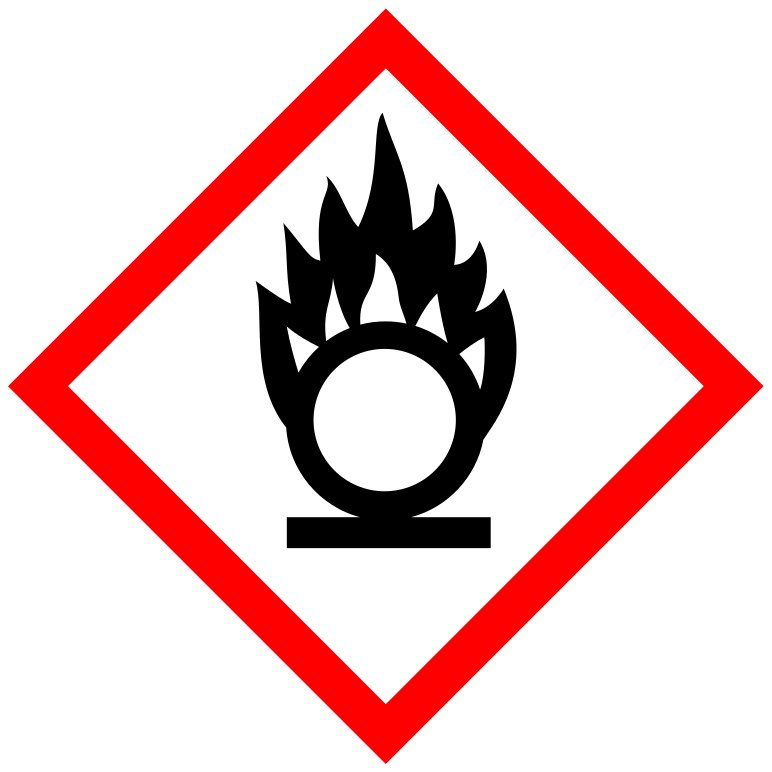 |
Oxidising liquids, solids and gases, may cause or intensify fire. |
| GHS04 |  |
Gases under pressure. |
| GHS05 |  |
Corrosive chemicals may cause severe skin and eye damage and may be corrosive to metals. |
| GHS06 |  |
Fatal or toxic if swallowed, inhaled or in contact with skin. |
| GHS07 |  |
Low level toxicity. This includes respiratory, skin, and eye irritation, skin sensitisers and chemicals harmful if swallowed, inhaled or in contact with skin. |
| GHS08 | 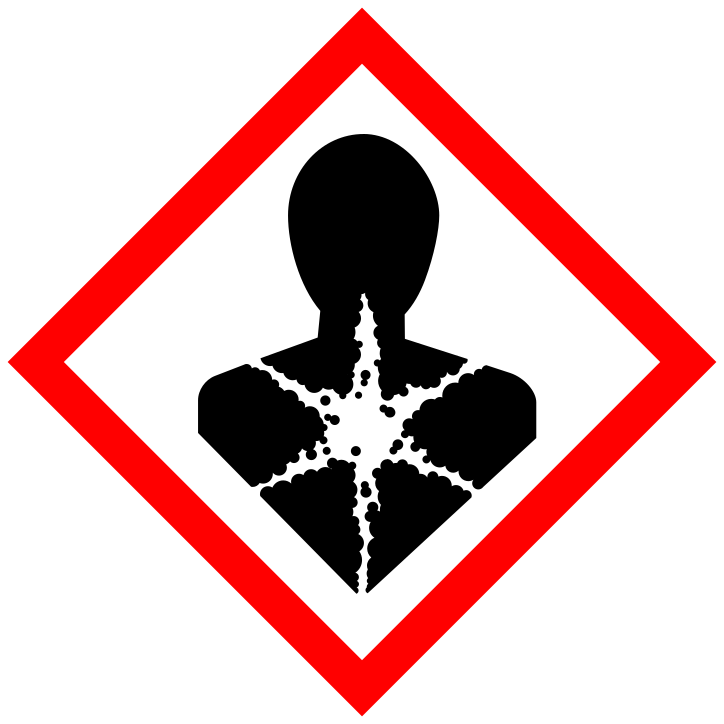 |
Chronic health hazards: this includes aspiratory and respiratory hazards, carcinogenicity, mutagenicity and reproductive toxicity. |
| GHS09 | 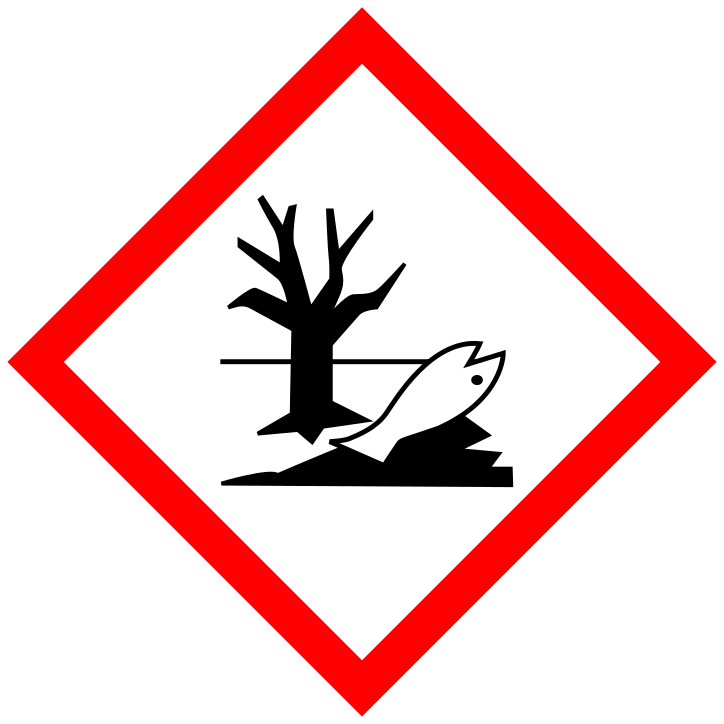 |
Hazardous to aquatic life and the environment. |
- Why GHS Labels Matter
- Required for compliance with workplace safety laws.
- Improve worker protection.
- Support consistent handling of imported/exported chemicals.
- Build trust in suppliers who provide clear hazard communication.
- Best Practices for Your Lab
- Train staff to recognise GHS symbols.
- Ensure every chemical has a proper label and SDS.
- Keep labels visible and intact; relabel smaller containers when repacking.
- Source from suppliers who follow local and international standards.
GHS labels aren’t just symbols — they’re vital information for safe handling. By making sure your team understands them, you create a safer, more compliant laboratory environment.
At Reactivo, we supply chemicals and lab consumables with fully compliant GHS labels and Safety Data Sheets, so you can work confidently.


